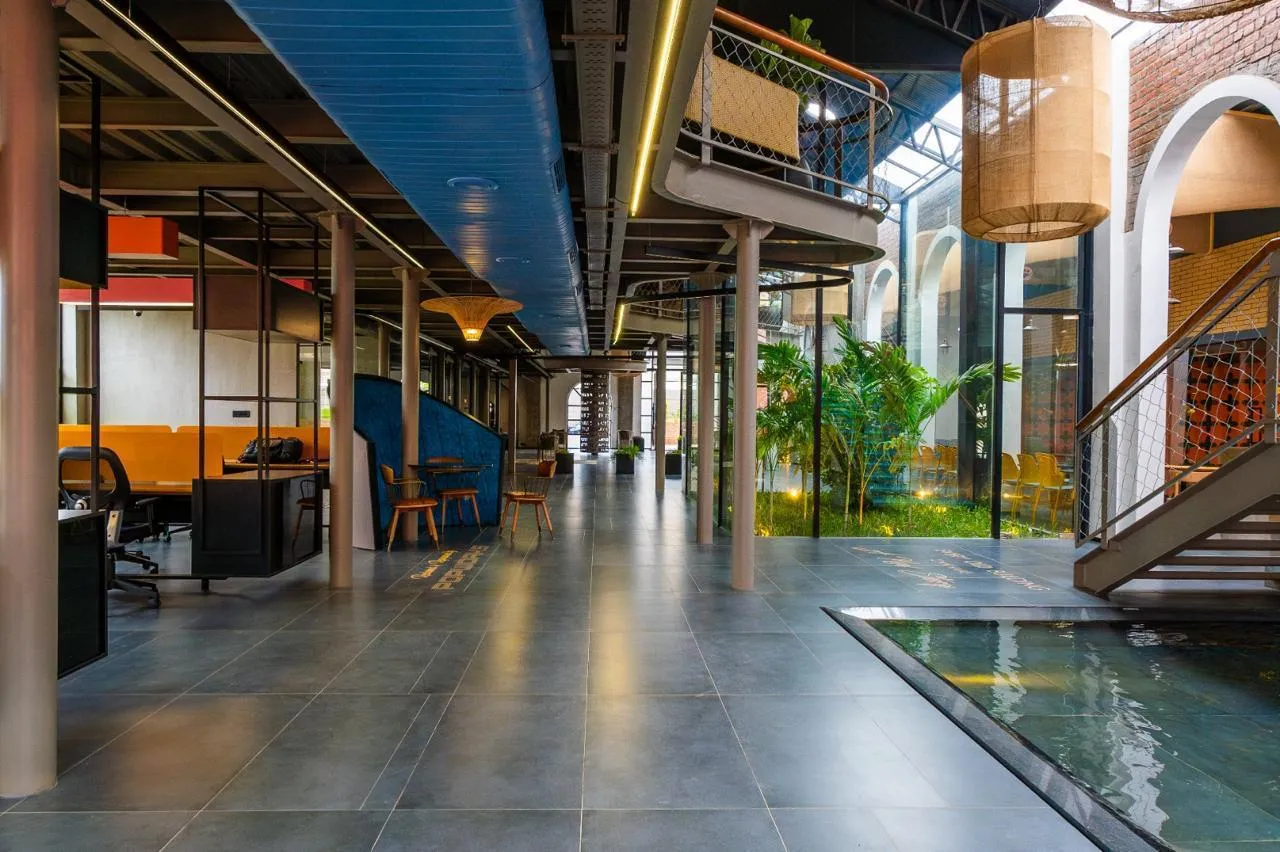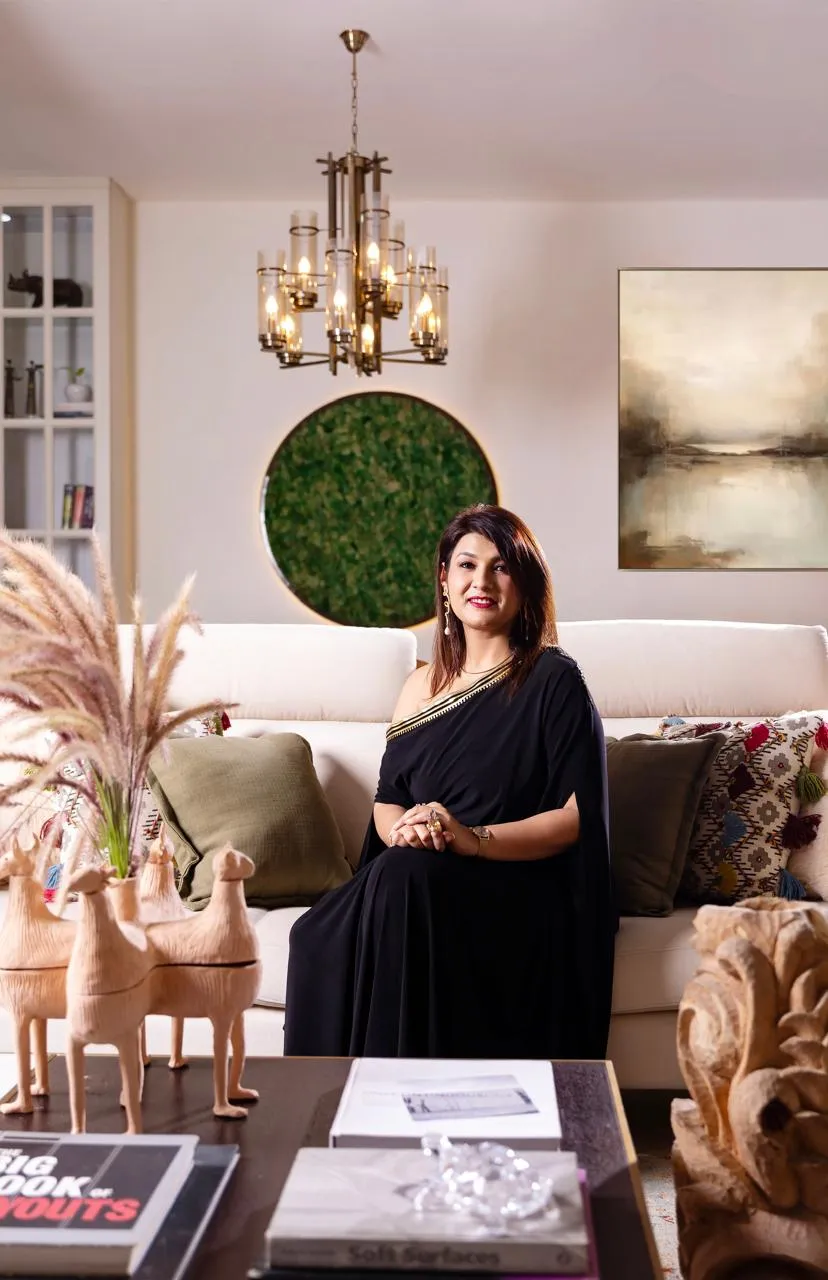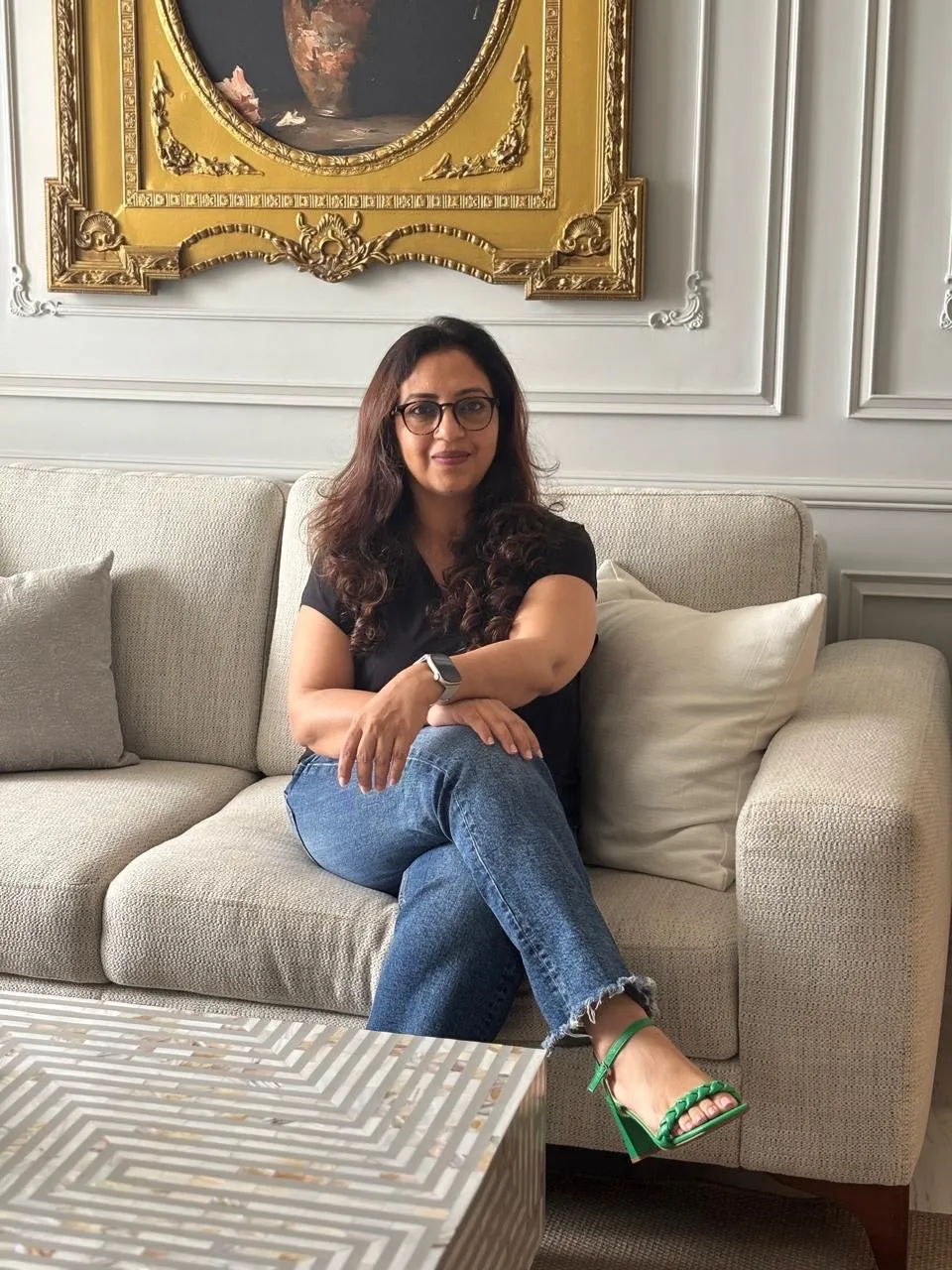
In a design landscape often divided between technical execution and artistic expression, Manmeet Bevli occupies a rare and compelling intersection. Her practice is shaped not by convention, but by a deeply intentional fusion of analytical rigor and visual sensitivity—an approach that lends her work a quiet confidence, timelessness, and intellectual depth.
Manmeet Bevli’s educational journey is deliberately unconventional. Trained initially in Computer Science, she developed a foundation in systematic thinking, logic-driven problem solving, and an understanding of how complex systems function. This engineering background continues to inform her design practice in profound ways—allowing her to perceive spatial planning as a sequence of interrelated systems, manage intricate project layers with clarity, and interrogate design decisions through the lens of “why” and “how,” not just “what.”
Parallel to this analytical training ran a lifelong artistic pursuit. An artist from childhood, Manmeet demonstrated an early, intuitive sensitivity to color, form, and visual balance. Her deep engagement with watercolor painting—particularly landscapes—cultivated an understanding of tonal transitions, light, atmosphere, and emotional nuance. This visual language was formally refined through a Diploma in Fine Arts with specialization in Watercolor Painting, under the mentorship of internationally renowned artist Sri Sadhu Aliyur. The discipline of fine art strengthened her compositional thinking and material sensitivity, grounding her creativity in authenticity rather than ornamentation.
Further education in spatial design and architectural detailing at Sampratishshta School of Fine Arts & Design enabled the natural convergence of these two worlds. The transition into interior and spatial design was less a career shift and more an evolution—where logic met intuition, structure met emotion, and technical clarity met artistic depth.
What truly distinguishes Manmeet Bevli’s practice is not either discipline alone, but their synthesis. The engineering mindset asks structural and operational questions; the artistic sensibility responds to aesthetics, emotion, and resonance. Together, they inform a methodology that understands how spaces function at a systems level while simultaneously shaping how they feel, age, and are lived in. Her learning has been mentorship-driven, project-based, and fueled by intellectual curiosity rather than formulaic training—allowing her to respect traditional principles while reinterpreting them through a contemporary lens.
Her professional journey began in 2018 with foundational project work and evolved through strategic leadership roles, including serving as Co-founder and Principal Designer at Gold Swan Co between 2022 and 2024. She also held key design responsibilities for large-scale developments such as Purva Parkridge and other landmark projects. In December 2024, this progression culminated in the formal establishment of Manmeet Bevli Design, an independent studio where philosophy, authorship, and execution are entirely under her direction.
At the heart of her practice lies a philosophy centered on creating timeless, art-led environments designed for futures clients may not yet have articulated. She approaches design with a long view—prioritizing longevity over trends and ensuring that spaces age gracefully rather than becoming dated. Each decision considers not just immediate impact, but how a space will feel decades into the future, enhancing both emotional and asset value.
Manmeet’s process is deeply intuitive and human-centric. She designs not only for what clients express, but for what remains unspoken—reading family dynamics, cultural values, personal histories, and aesthetic inclinations, then translating these invisible layers into spatial clarity. This intuitive understanding is supported by operational rigor: authentic materials, precise detailing, disciplined timelines, and strict budgetary control. In her work, beauty never exists at the expense of functionality or feasibility.
Cultural depth plays a central role in her design language. Whether restoring traditional homes, preserving antiques and heirlooms, or weaving family histories into contemporary settings, her work honors heritage without nostalgia. Indian traditions and global sensibilities—shaped in part by her early years in Canada—coexist seamlessly. Natural materials such as solid wood, natural stone, linens, and honest joinery are favored for their integrity and ability to develop character over time. Materiality, for her, is a language rather than a decorative tool.
Equally important is her strategic use of restraint. Negative space is not absence but intention. By consciously choosing what not to include, her interiors gain clarity, balance, and room to breathe. The result is environments that feel composed yet effortless, expressive yet calm.
Through Manmeet Bevli Design, she is quietly shaping a body of work that resists noise and spectacle in favor of depth, longevity, and meaning. Her practice stands as a reminder that the most enduring spaces are those where precision and poetry coexist—designed not just for the present, but for lives unfolding over time.