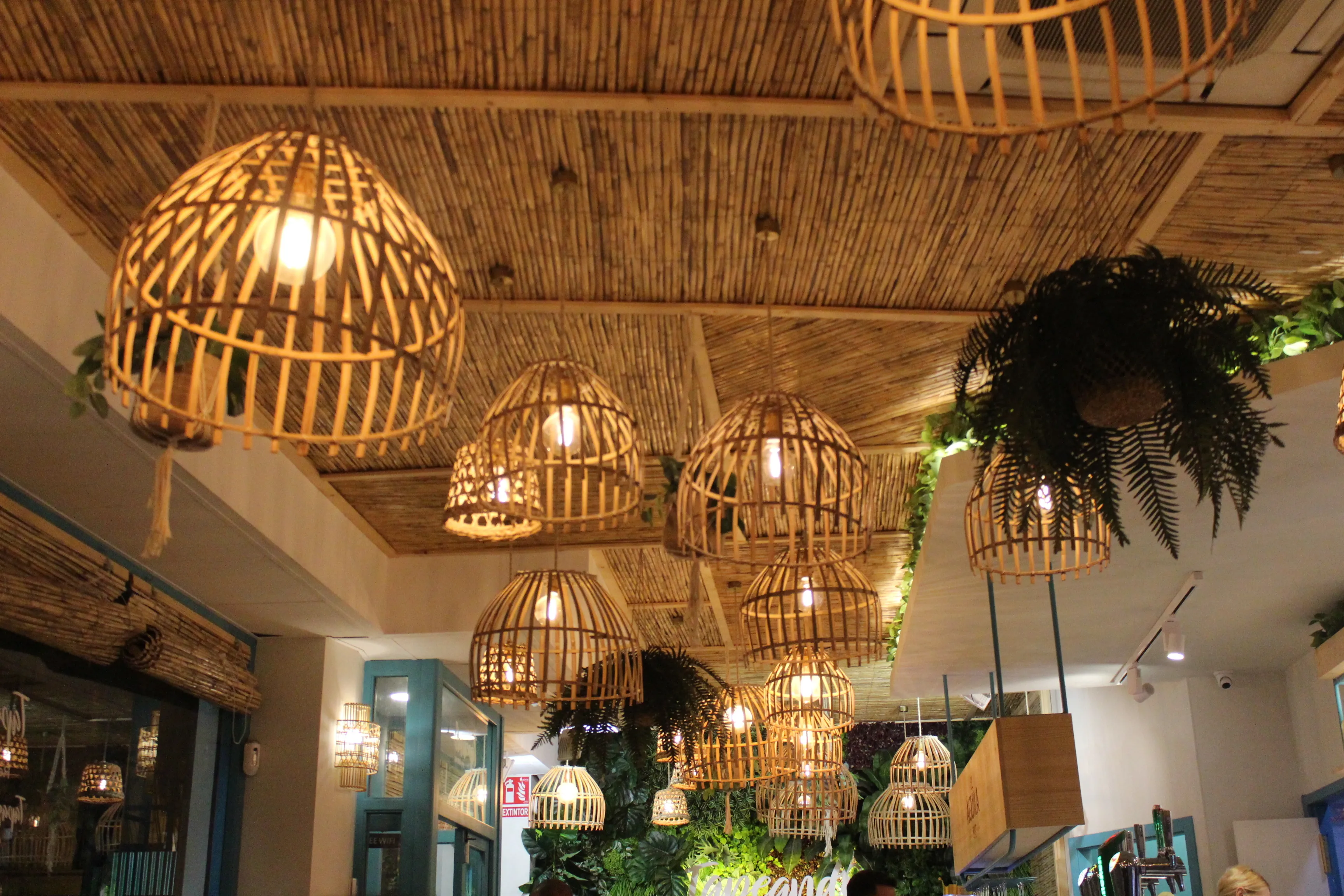
Lighting has evolved from a purely functional necessity into one of the most influential elements of architectural and interior design. In contemporary practice, lighting no longer serves merely to illuminate space; it shapes perception, defines mood, enhances materials, and directly impacts human well-being. As architecture becomes more experiential and sustainability-driven, lighting design has emerged as a critical design discipline in its own right.
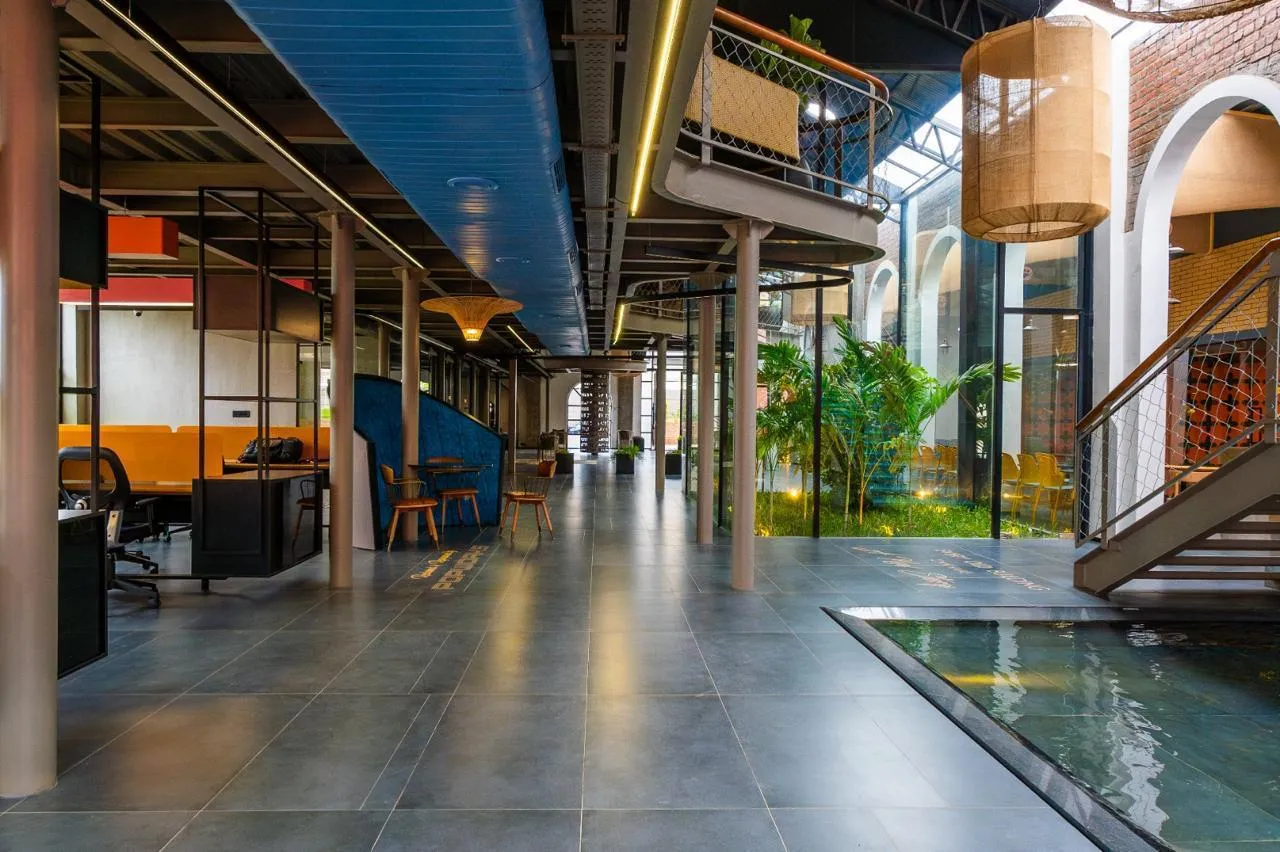
One of the most significant shifts in lighting design is the move away from uniform, over-lit environments toward layered and purposeful illumination. Designers now employ a balanced combination of ambient, task, and accent lighting to create depth and hierarchy within spaces. This approach allows light to respond to function while simultaneously enhancing architectural form, textures, and spatial flow. Rather than flooding spaces with brightness, contemporary lighting celebrates contrast, shadow, and subtlety.
Technological advancement has played a pivotal role in reshaping lighting design. The widespread adoption of LED technology has transformed efficiency, longevity, and flexibility. LEDs enable precise control over intensity, colour temperature, and beam spread, allowing designers to tailor lighting to different activities and times of day. Tunable and warm-dim lighting systems are increasingly being used to mimic natural daylight cycles, supporting circadian rhythms and improving comfort in both residential and commercial environments.
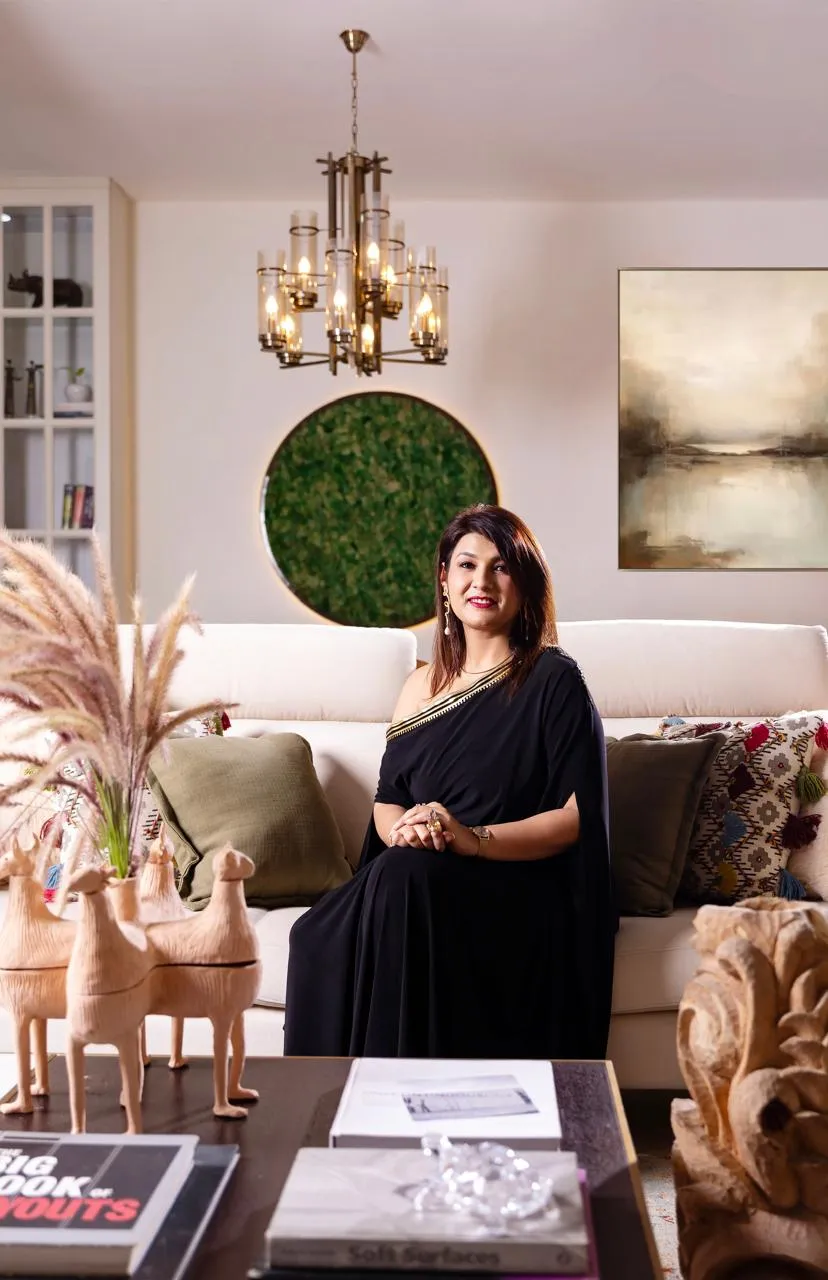
Minimalism continues to influence lighting aesthetics, with fixtures becoming increasingly discreet. Recessed luminaires, linear profiles, concealed light sources, and indirect lighting dominate contemporary interiors. The emphasis has shifted from decorative fittings to light as the primary design element, allowing architecture and materials to take centre stage. Where statement fixtures are used, they function as sculptural elements, carefully curated rather than excessive.
Sustainability has become a defining consideration in lighting design. Energy-efficient systems, daylight integration, smart controls, and reduced light pollution are now essential components of responsible design. Automated sensors, dimming systems, and intelligent lighting controls ensure that light is used only when required, reducing energy consumption while enhancing user comfort. Exterior lighting, in particular, is being re-evaluated to minimise glare and environmental impact while maintaining safety and visual clarity.
Another emerging trend is the growing emphasis on human-centric lighting. Designers are increasingly aware of the psychological and physiological effects of light on occupants. Factors such as glare control, color rendering, and visual comfort are carefully considered to create environments that support productivity, relaxation, and health. This approach is particularly relevant in workplaces, healthcare facilities, educational institutions, and hospitality spaces, where lighting plays a direct role in shaping experience and behaviour.
Materiality and lighting are now closely interlinked. Light is being used to reveal textures, enhance surfaces, and articulate architectural details. Stone, wood, metal, and fabric respond differently to illumination, and thoughtful lighting design brings out their inherent qualities. Grazing light, wall washing, and integrated lighting details are increasingly employed to highlight craftsmanship and spatial depth rather than relying on surface decoration.
In the Indian context, lighting design is also responding to cultural sensibilities and climatic conditions. With abundant natural light available for much of the year, designers are focusing on daylight optimisation and seamless transitions between natural and artificial lighting. Warm color temperatures are preferred in residential spaces to create comfort, while commercial and public environments adopt adaptable lighting schemes that respond to diverse functions and occupancy patterns.
The role of lighting designers has expanded significantly, moving from late-stage technical input to early-stage conceptual collaboration. Lighting is now integrated into architectural planning from the outset, influencing spatial proportions, ceiling designs, and material selection. This shift reflects a broader recognition that lighting is not an accessory, but an essential design tool that shapes how architecture is perceived and experienced.
As cities grow denser and lifestyles become increasingly indoor-oriented, the need for thoughtful lighting design has never been more urgent. Poorly designed lighting can lead to discomfort, inefficiency, and visual fatigue, while well-designed lighting enhances quality of life, supports sustainability goals, and elevates architectural intent. In this context, lighting design stands at the intersection of technology, aesthetics, and human experience.
Ultimately, contemporary lighting design is about balance—between light and shadow, efficiency and emotion, technology and intuition. As architecture continues to evolve, lighting will remain a powerful medium through which spaces are not just seen, but truly felt. For designers today, the challenge and opportunity lie in using light responsibly and creatively, ensuring that illumination enriches both built environments and the lives within them.