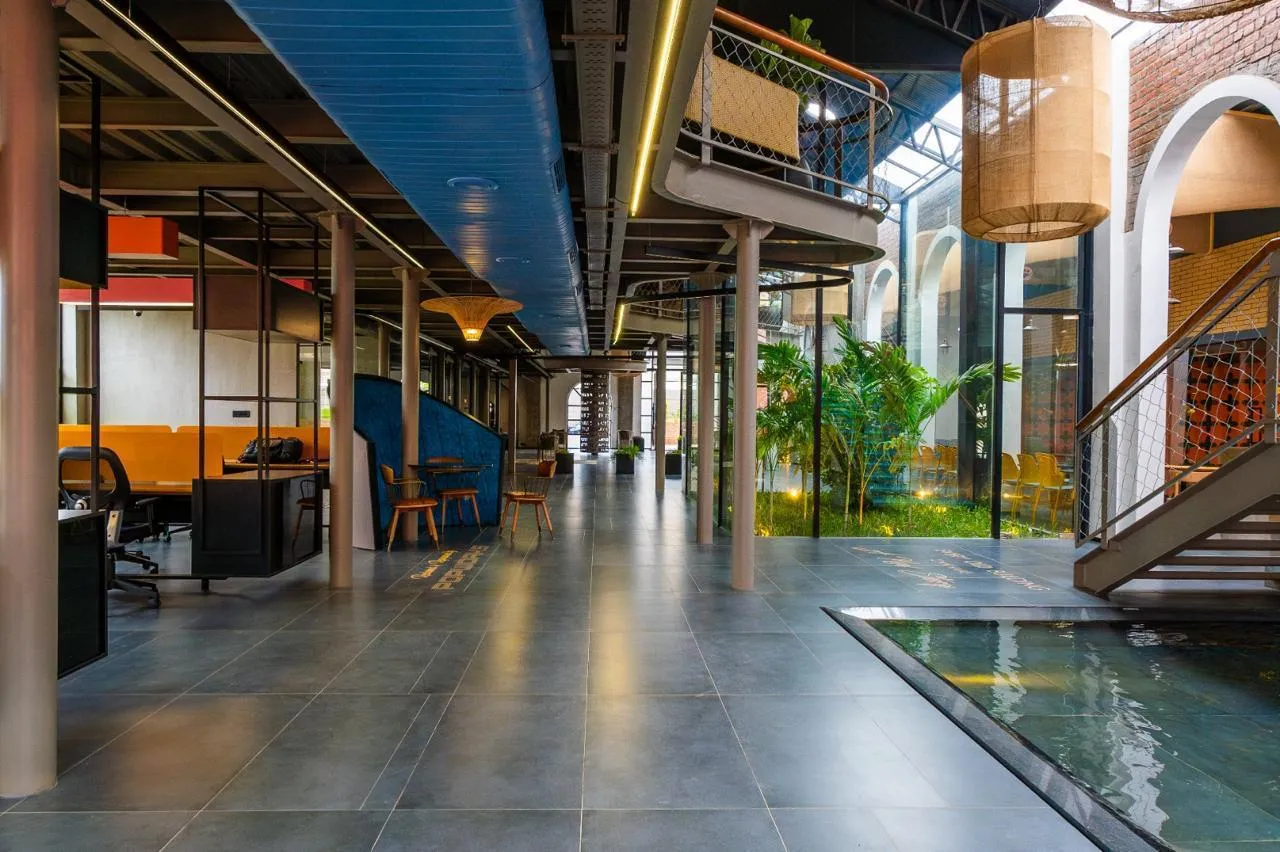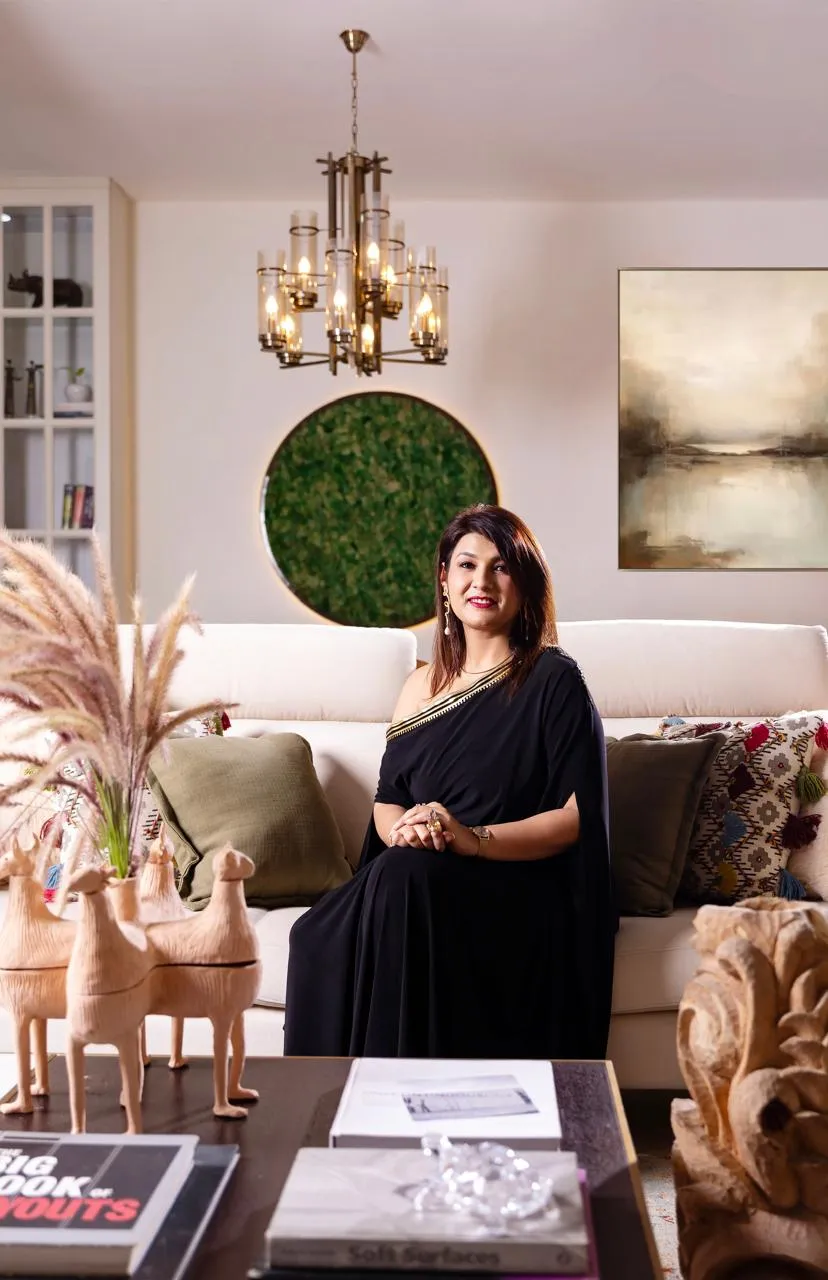
Furniture design today is undergoing a quiet but significant transformation, shaped by changing lifestyles, evolving aesthetics, sustainability concerns, and advances in technology. No longer viewed as mere functional objects, furniture pieces are increasingly seen as extensions of architecture and interior design—elements that define how spaces are experienced, used, and remembered. The contemporary furniture landscape reflects a shift toward thoughtful design that balances comfort, craftsmanship, and consciousness.
One of the most prominent trends influencing furniture design is the growing emphasis on simplicity and clarity of form. Clean lines, restrained detailing, and uncluttered silhouettes dominate current collections. This movement toward minimalism is not about austerity, but about creating calm and order in increasingly complex living environments. Furniture is designed to blend seamlessly into interiors, allowing space, light, and material to take precedence over ornamentation.
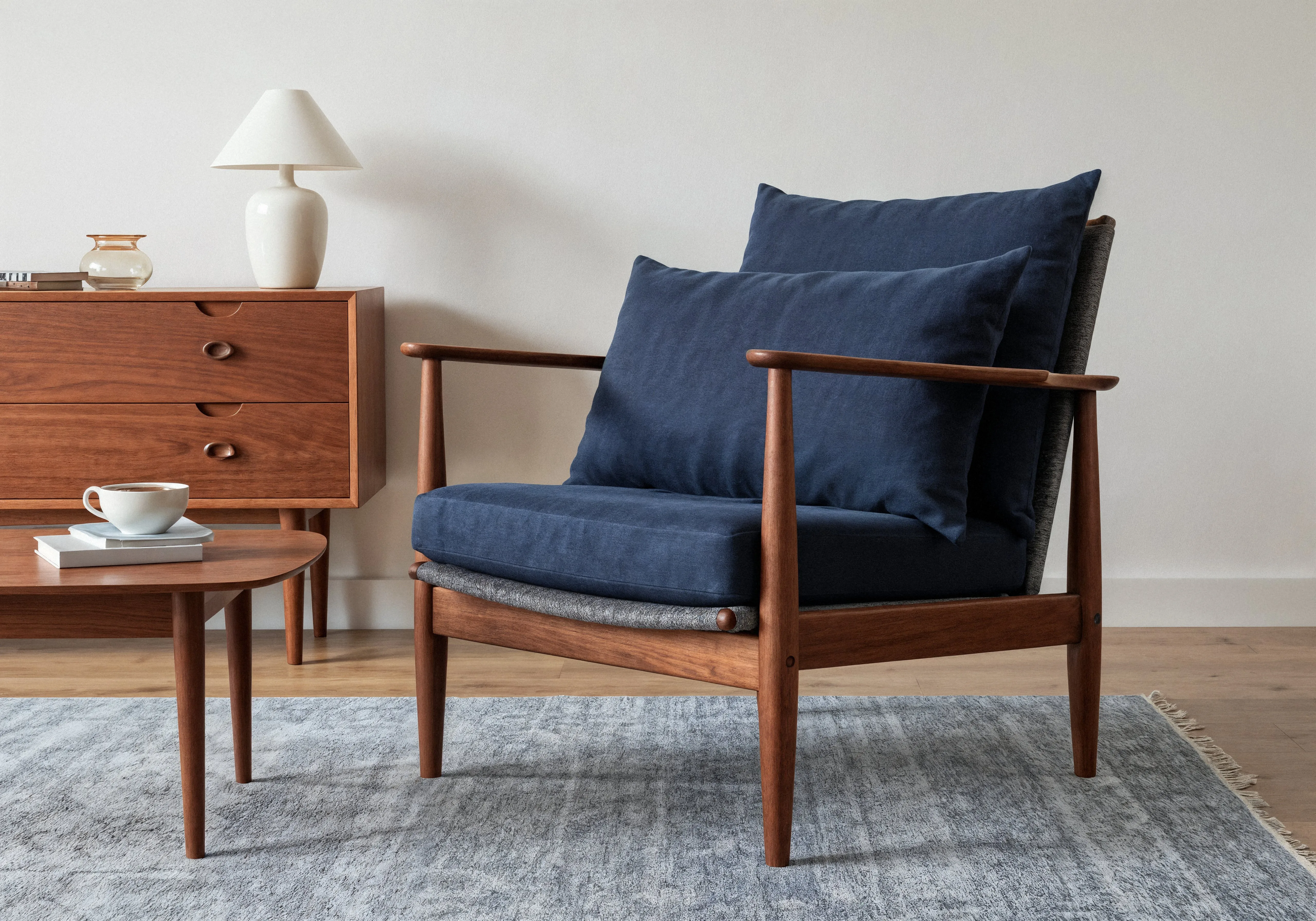
At the same time, there is a renewed appreciation for material authenticity. Natural materials such as solid wood, stone, cane, rattan, leather, and linen are being celebrated for their texture and ability to age gracefully. Rather than masking materials with heavy finishes, designers are allowing grains, imperfections, and patinas to remain visible. This shift reflects a broader desire for honesty in design, where materials express their inherent character and connect users to nature.
Sustainability has moved from being a niche consideration to a defining driver of furniture design. Designers and manufacturers are increasingly adopting eco-conscious practices, including the use of responsibly sourced timber, recycled metals, low-VOC finishes, and biodegradable fabrics. Modular and repairable furniture is gaining popularity, as consumers seek products with longer life cycles and reduced environmental impact. The focus is no longer on fast consumption, but on durability, adaptability, and mindful production.
Another notable trend is the rise of multifunctional and flexible furniture, driven by changing patterns of living and working. As homes increasingly accommodate workspaces, leisure, and social interaction within limited square footage, furniture is expected to perform multiple roles. Foldable tables, storage-integrated seating, modular sofas, and convertible beds are being designed with both aesthetics and ergonomics in mind. This adaptability reflects a shift toward furniture that responds to evolving needs rather than fixed functions.
Comfort has also emerged as a key design priority. Contemporary furniture places strong emphasis on ergonomics, with careful attention to posture, support, and usability. Sofas are deeper and more inviting, chairs are designed to encourage relaxation without compromising form, and work furniture balances efficiency with well-being. This focus reflects a growing awareness of how furniture directly influences physical and mental health.
Craftsmanship and artisanal influence are experiencing a revival in furniture design. Handcrafted details, traditional joinery techniques, and regionally inspired forms are being reinterpreted in modern contexts. Designers are increasingly collaborating with local craftsmen, blending age-old skills with contemporary design sensibilities. This fusion not only preserves cultural knowledge but also adds depth and individuality to furniture pieces in an otherwise mass-produced market.
Color and texture trends in furniture design are also evolving. Neutral palettes continue to dominate, but they are now layered with warmth through earthy tones, muted greens, terracotta hues, and deep blues. Textural contrast plays a vital role, with combinations of smooth and rough surfaces, matte and polished finishes, and soft and structured materials creating visual interest without excess.
Technology, while discreet, is influencing furniture design in subtle ways. Advanced manufacturing techniques such as CNC cutting, digital fabrication, and parametric design allow for precision and customization. Smart furniture—integrating charging points, lighting, and concealed technology—is becoming increasingly relevant, particularly in work and hospitality environments. However, technology is being embedded thoughtfully, ensuring it enhances usability without overwhelming design.
In the Indian context, furniture design is also responding to cultural sensibilities and spatial realities. Compact urban homes demand efficient layouts, while traditional preferences continue to influence form, proportion, and material choice. Designers are striking a balance between global trends and local relevance, creating furniture that feels contemporary yet rooted.
Overall, current furniture design trends reflect a deeper shift in values. There is a growing recognition that furniture must do more than occupy space—it must support lifestyles, respect resources, and contribute to meaningful environments. As interiors become more intentional and architecture more human-centric, furniture design stands at the forefront of shaping how we interact with the spaces we inhabit.