In a city defined by velocity and spectacle, Milagro Mumbai emerges as a study in restraint — a space conceived not merely as a restaurant, but as a cultural environment shaped by memory, materiality, and meaning. At its core, Milagro is not a conventional dining destination; it is an exploration of atmosphere. It seeks to create places that are inhabited, remembered, and returned to — spaces that transcend trend and cultivate continuity.
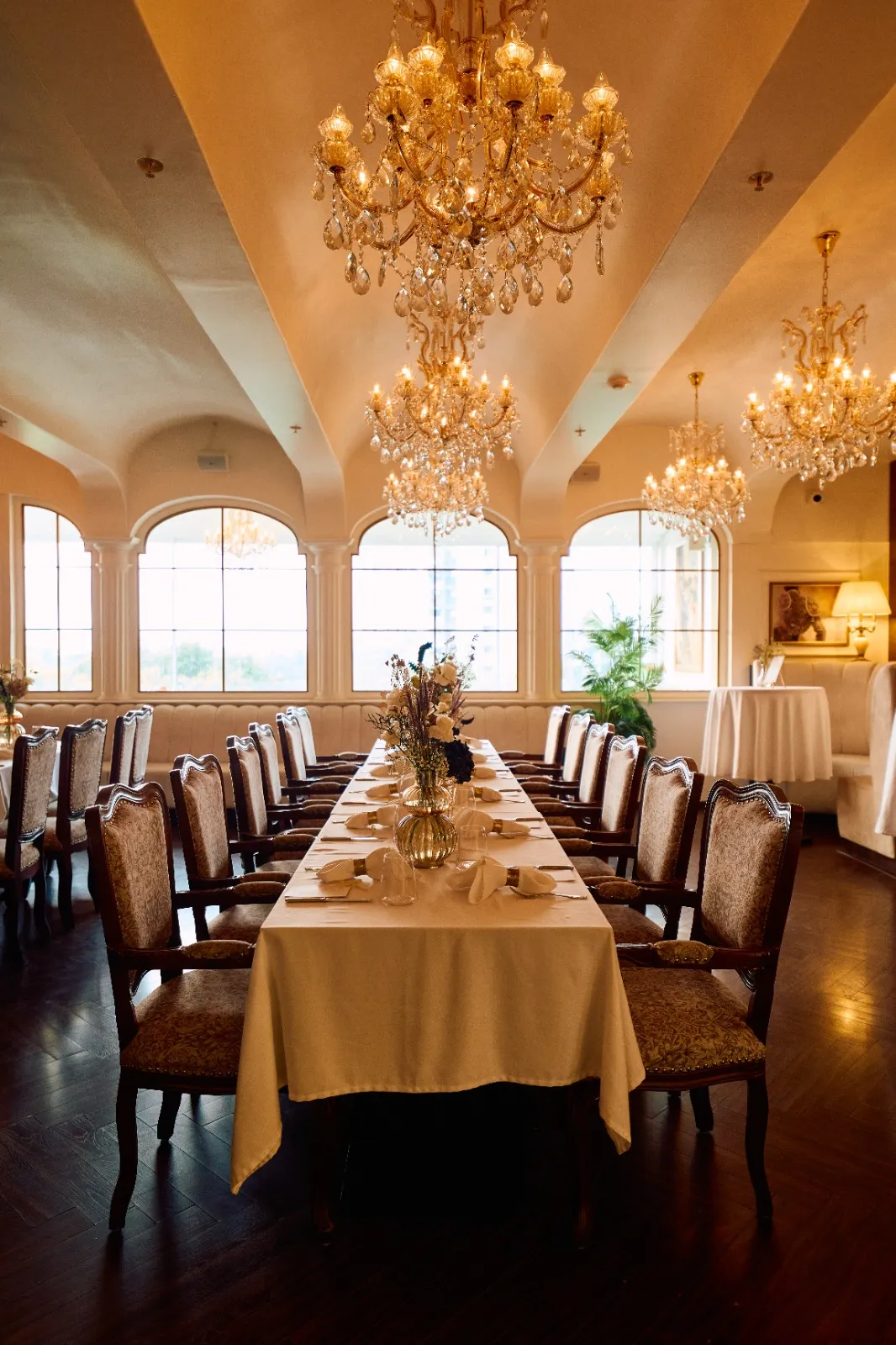
The name Milagro, meaning “miracle,” reflects the brand’s founding ethos: the belief that extraordinary experiences arise from intention, proportion, and emotional resonance rather than excess. The concept was first born on the oceanfront cliffs of Goa, where a Spanish fine-dining restaurant overlooked the Arabian Sea. There, culinary precision met a carefully restrained visual language — crisp white linens, refined tableware, crystal chandeliers, and a quiet luxury shaped by coastal light and horizon views. The Goa outpost, though seasonal, revealed the potential for something more enduring — a hospitality concept rooted not in location alone, but in cultural depth.
This realization led to Mumbai.
A Contemporary Members’ Club Reimagined
In Mumbai, Milagro evolved into a contemporary interpretation of an old-world European members’ club — intimate, elegant, and intentionally understated. Rather than theatricality, the design language is guided by proportion and nuance. The space emphasizes layered storytelling through texture, finish, and atmosphere. It invites lingering rather than spectacle.
Spanish and broader European culinary traditions form the gastronomic foundation, yet the design ensures that food is part of a larger sensory composition. Material choices, lighting design, spatial rhythm, and service choreography work in harmony. Every element contributes to an environment that encourages unhurried interaction and cultivated conversation.
The interiors reflect a philosophy of subtle luxury. Instead of opulence for display, Milagro embraces refinement through detail — balanced spatial planning, curated furnishings, and a palette that supports warmth and discretion. It is hospitality expressed architecturally.
Cultural Positioning and Global Recognition
Milagro Mumbai’s impact has extended beyond local appreciation. Within its first year, it received international recognition through its selection by World’s Finest Clubs, a Switzerland-based global collective that evaluates destinations based on ethos, quality, and experiential depth. The brand was independently discovered and audited, ultimately positioning this Indian-born concept within a distinguished global cultural framework.
Such recognition underscores Milagro’s foundational principle: that hospitality is not simply service, but stewardship of atmosphere and identity.
Guided by standards comparable to Michelin-starred establishments, Milagro prioritizes consistency, restraint, and soul. This dedication to long-term vision was further acknowledged when co-founder Francesca Smith received the Entrepreneur of the Year award — recognizing not just operational excellence, but strategic clarity and cultural foresight.
Hospitality as Architecture
Milagro Mumbai stands as an example of hospitality-driven architecture and design. It demonstrates how spatial environments can shape social behavior, slow time, and cultivate belonging. The project resists momentary trends, instead focusing on timelessness and continuity — creating a refined social environment anchored in intention.
In an era where many spaces compete for attention, Milagro chooses quiet confidence. It does not aim to impress instantly, but to endure. Through disciplined design, curated experience, and cultural sensitivity, Milagro Mumbai becomes more than a destination — it becomes a ritual space within the city’s complex social fabric.
In that sense, the name proves prophetic.
Milagro is not merely a place. It is a considered experience — a miracle shaped by design.