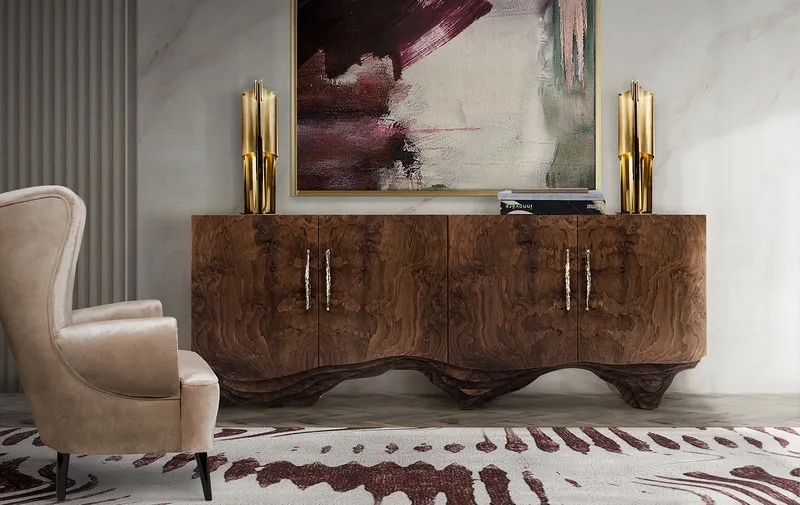
In the evolving world of spatial aesthetics, interior styling has emerged as a distinct and influential discipline that goes beyond mere decoration. While often misunderstood as a superficial layer of design, interior styling plays a critical role in shaping the emotional, visual, and experiential quality of a space. It is the art of curating elements such as furniture, textiles, lighting, accessories, colors, and artwork to create a cohesive and lived-in environment that reflects personality, function, and context.
The Need for Interior Styling in Contemporary Spaces
Modern lifestyles have transformed the way people perceive and interact with their living and working environments. Today, spaces are not just functional enclosures but extensions of identity, lifestyle, and aspirations. Interior styling fulfills this growing need by humanizing spaces and making them emotionally engaging.
One of the primary needs for interior styling lies in personalization. Even well-designed architectural or interior layouts can feel incomplete without thoughtful styling. Styling introduces warmth, texture, and character, turning a structured space into a meaningful environment. In residential settings, it helps homeowners express their taste and lifestyle, while in commercial spaces, it strengthens brand identity and user experience.
Another crucial aspect is adaptability. Unlike structural design interventions, styling allows for flexibility and seasonal transformation. This makes it especially relevant in dynamic environments such as retail, hospitality, and workspaces, where visual refresh and experiential appeal directly impact user perception and engagement.
Interior styling also addresses the psychological aspect of space. Carefully curated colors, materials, and decor elements influence mood, productivity, and comfort. In workplaces, styled environments can enhance creativity and well-being, while in homes, they contribute to relaxation and emotional balance.
Scope of Interior Styling
The scope of interior styling has expanded significantly across multiple sectors, making it a specialized field within the design ecosystem.
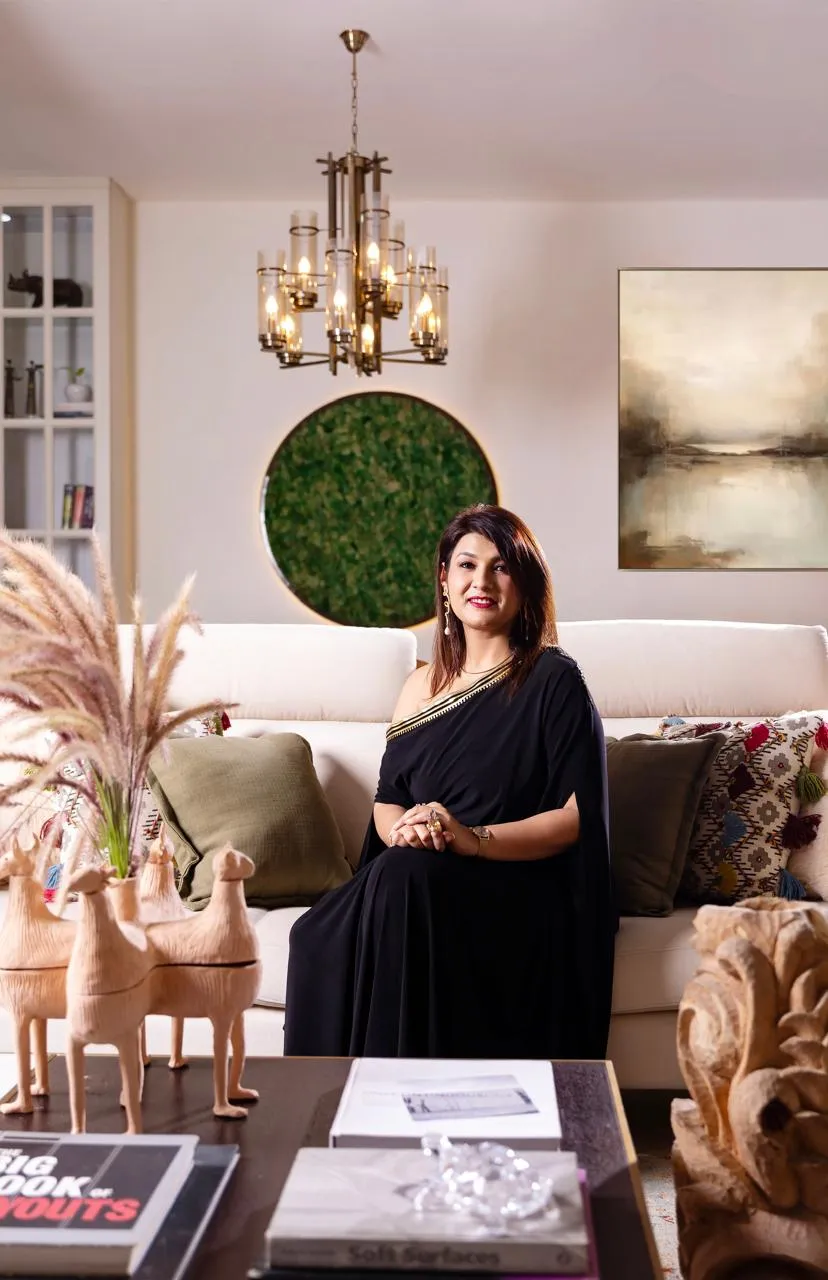
In residential design, interior styling involves curating furniture layouts, soft furnishings, artwork, decor accents, and lighting compositions that align with the homeowner’s lifestyle. It ensures that the home feels cohesive, functional, and aesthetically harmonious.
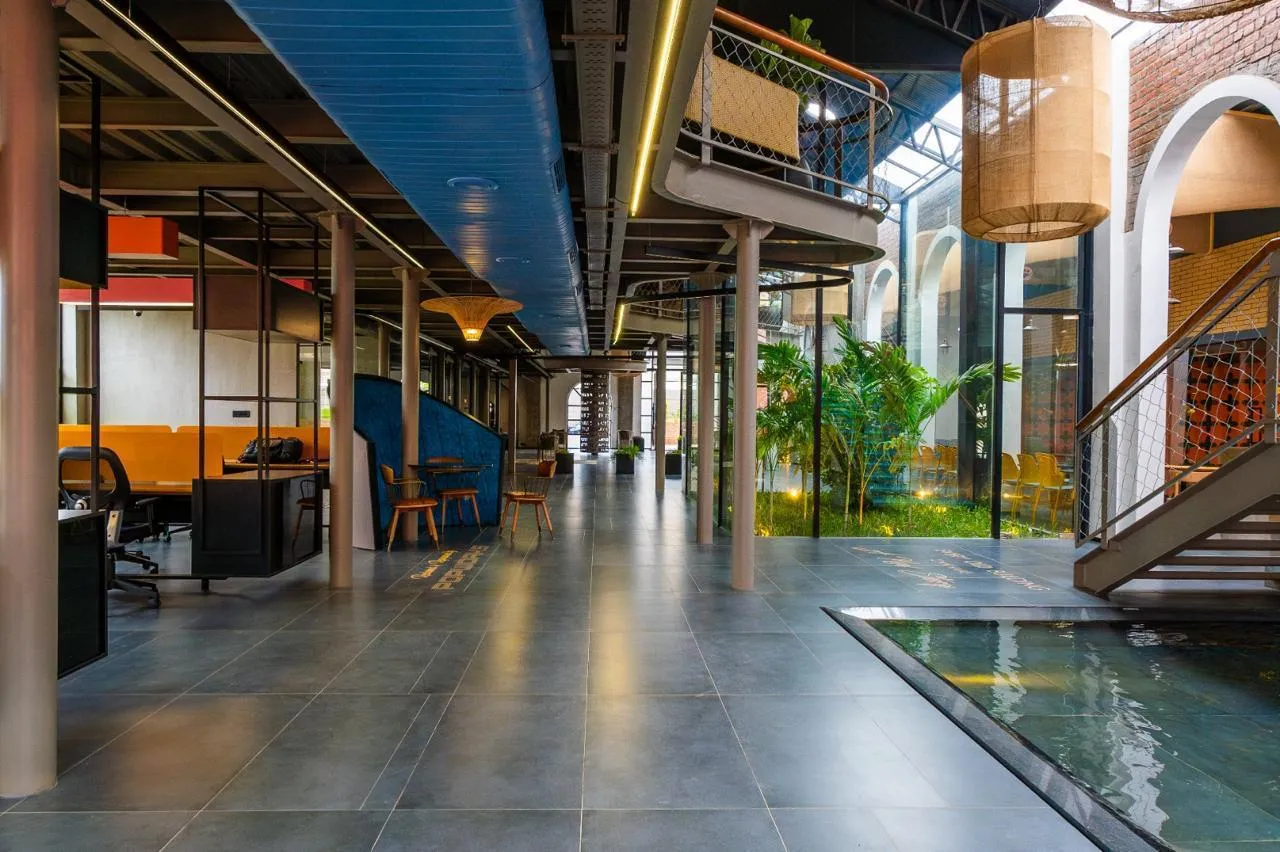
In hospitality and retail environments, styling becomes a strategic tool for storytelling and brand positioning. Hotels, cafes, and showrooms rely heavily on styling to create memorable experiences that resonate with visitors and enhance visual engagement.
The real estate sector has also embraced interior styling through home staging, where properties are styled to enhance market appeal and perceived value. A well-styled space can significantly influence buyer decisions by helping them visualize the potential of the property.
Additionally, interior styling plays a vital role in media and visual industries, including photoshoots, set design, and digital content creation. Styled interiors are essential for magazines, advertisements, and social media platforms where visual aesthetics drive engagement and perception.
With the rise of design-focused lifestyles and digital exposure, the professional scope of interior stylists now includes consultancy, styling for events, model apartments, luxury residences, and even workspace environments that require experiential detailing.
How Interior Styling is Different from Interior Design
Although interior styling and interior design are closely related, they differ fundamentally in scope, process, and technical involvement.
Interior design is a comprehensive discipline that involves spatial planning, structural modifications, material selection, lighting design, ergonomics, and technical execution. It deals with the functional framework of a space, including layouts, electrical planning, ceiling design, flooring, and built-in elements. Interior designers often work from the conceptual stage of a project and collaborate with architects, engineers, and contractors to shape the space from the ground up.
Interior styling, on the other hand, focuses on the visual and experiential layer of a completed or nearly completed space. It does not typically involve structural changes or technical planning. Instead, it enhances the existing design by curating furniture placement, decor elements, textures, color palettes, and accessories that elevate the aesthetic and emotional appeal of the environment.
While interior designers create the foundation of a space, interior stylists refine and complete its personality. Design addresses functionality and spatial efficiency, whereas styling emphasizes mood, narrative, and visual coherence. In simpler terms, interior design builds the space, and interior styling brings it to life.
Another key distinction lies in the project timeline and intervention level. Interior design is usually a long-term, technical process involving drawings, site execution, and coordination. Interior styling is comparatively quicker and more flexible, often implemented after construction or renovation is complete.
The Strategic Value of Interior Styling
In today’s design-driven culture, interior styling is no longer an optional luxury but a strategic necessity. It enhances spatial storytelling, improves user experience, and increases the perceived value of a space. For businesses, styled environments create stronger brand impressions, while for homeowners, they foster emotional attachment and comfort.
Moreover, as design awareness continues to grow globally, clients increasingly seek spaces that are not only functional but also visually expressive and contextually meaningful. This shift has positioned interior styling as a crucial bridge between architecture, interior design, and lifestyle aesthetics.
Interior styling is a powerful discipline that transforms spaces from structured environments into emotionally resonant experiences. Its need arises from the growing desire for personalized, adaptable, and visually engaging spaces, while its scope spans residential, commercial, hospitality, and media domains. Distinct from interior design in its technical involvement and intervention level, interior styling complements design by adding depth, character, and narrative to a space. In essence, if interior design shapes the skeleton of a space, interior styling defines its soul—making it complete, relatable, and timeless.